





 English
 USA
USA
 西班牙语
西班牙语
 俄罗斯
俄罗斯
 葡萄牙
葡萄牙
 印尼
印尼
 巴基斯坦
巴基斯坦
 尼日利亚
尼日利亚
 孟加拉
孟加拉
 墨西哥
墨西哥
 越南
越南
 日本
日本
 韩国
韩国

With the implementation of GB 43631—2023 (Disposable Sanitary Wipes), China’s wipes industry has entered a new phase of regulatory refinement and technical standardization.
For overseas OEM wipes manufacturers supplying to China—or working with Chinese brands—this standard is more than a compliance update. It directly affects:
Liquid formulation design
Raw material selection
Microbial control systems
Safety validation procedures
Documentation and traceability
Understanding how GB 43631—2023 impacts wipe liquid systems is essential for maintaining market access and long-term competitiveness.
1. Why GB 43631—2023 Matters for OEM Manufacturers
Unlike previous fragmented guidelines, GB 43631—2023 establishes clearer requirements for:
Microbiological limits
Restricted and prohibited substances
Skin irritation and safety assessment
pH control
Labeling and claims compliance
For OEM factories, this means shifting from basic production capability to fully documented, risk-controlled formulation systems.
Low-cost, loosely validated formulations may no longer meet regulatory expectations or brand audit standards.
2. Direct Impact on Wipes Liquid Formulations
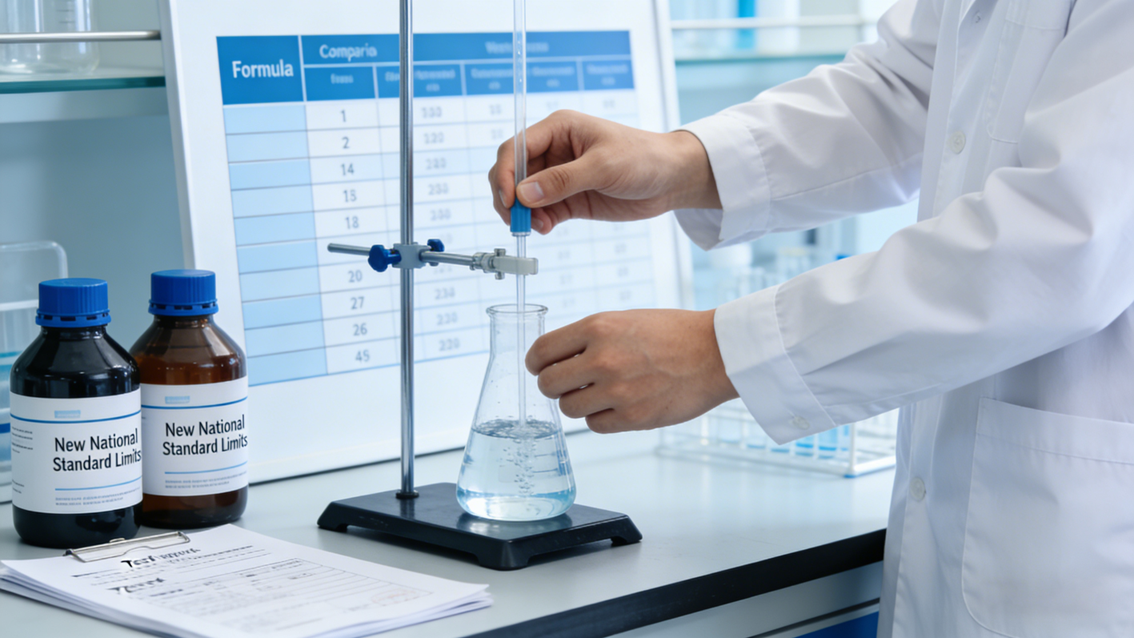
Since the liquid phase determines over 80% of wipes performance and safety, the new standard significantly raises technical requirements in formulation design.
2.1 Microbial Control Becomes a Strategic Priority
Manufacturers must ensure:
Controlled initial microbial load in bulk liquid
Effective preservative systems
Verified preservation efficacy (Challenge Test recommended)
Hygienic production environment validation
A weak preservative system can result in:
Finished product microbial failure
Microbial growth during storage
Increased customer complaints and recall risks
Forward-looking OEMs are shifting from single-preservative systems to multi-component preservation strategies combined with stability validation.
2.2 pH and Skin Compatibility Requirements
The standard emphasizes skin safety and mildness.
Recommended formulation direction:
Maintain pH between 5.0–6.5
Avoid high-alkaline cleaning systems
Evaluate irritation potential, especially for baby or sensitive-skin wipes
Many traditional “high-cleaning-power” formulas rely on elevated pH levels. Under GB 43631—2023, this approach increases regulatory and consumer risk exposure.
Balancing cleansing efficiency with dermatological compatibility is now essential.
2.3 Antibacterial and Disinfecting Wipes: Higher Compliance Threshold
If wipes are marketed with antibacterial or disinfecting claims:
Active ingredient dosage must comply with regulatory limits
Efficacy testing must support claims
Labeling must align with approved functional scope
Aggressive marketing claims without technical validation will face increasing scrutiny.
For OEMs exporting to multiple markets, harmonizing compliance between GB standards and EU/US regulations becomes even more critical.

3. Structural Changes Required in OEM Factories
GB 43631—2023 is not only about product testing—it requires systemic upgrades.
3.1 Raw Material Qualification System
OEM factories should establish:
Internal restricted substance lists
Supplier qualification and annual documentation updates
Full traceability for surfactants, preservatives, fragrances, and functional additives
Transparent raw material documentation is now a competitive advantage during brand audits.
3.2 Formula Documentation and Change Management
Recommended practices include:
Controlled formulation version management
Risk assessment for any ingredient change
Stability and compatibility validation after adjustments
Uncontrolled formula modifications can expose OEMs to compliance and liability risks.
3.3 Routine Validation and Testing
Forward-thinking OEMs integrate:
Regular microbiological testing
Stability studies
Skin compatibility assessments
Preservative efficacy (challenge testing)
Compliance must begin at the R&D stage—not after mass production.
4. The Relationship Between Regulation and Liquid Formulation
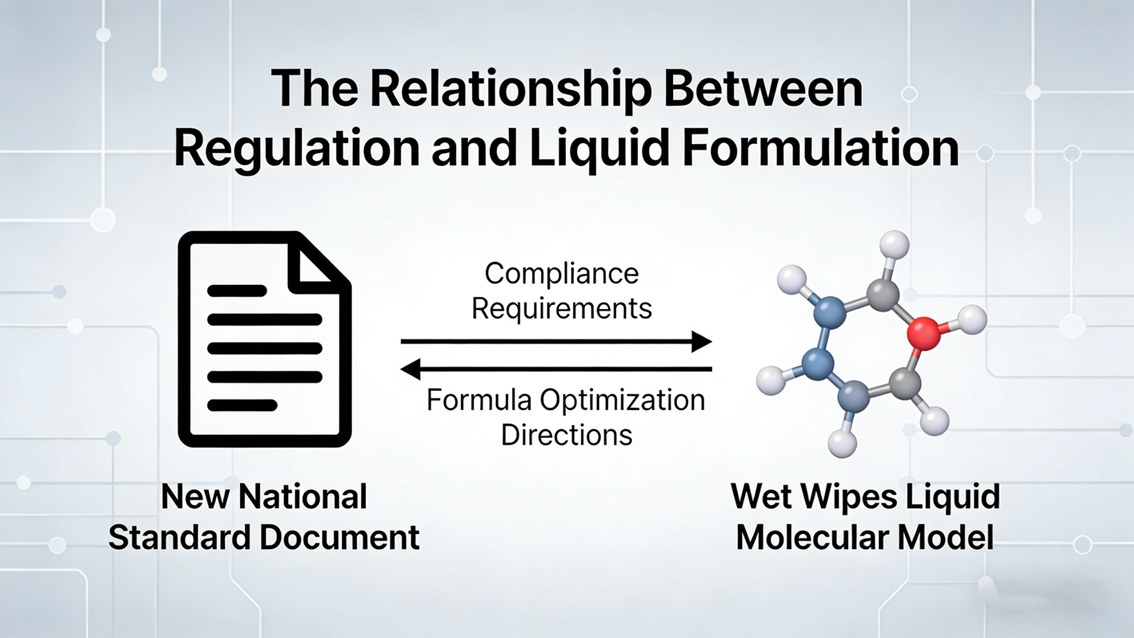
Regulations define the boundaries.
Formulation design defines performance within those boundaries.
Under GB 43631—2023, successful OEM manufacturers will:
Design safer yet effective surfactant systems
Optimize mild preservative strategies
Improve long-term formula stability
Provide transparent compliance documentation
Cost-driven formulation shortcuts are increasingly unsustainable.
Technical capability is becoming the core competitive factor.
5. Market Opportunities for Advanced OEM Manufacturers
While stricter standards may seem challenging, they also create opportunities:
Elimination of low-quality competitors
Increased demand for premium and sensitive-skin wipes
Greater brand reliance on technically strong OEM partners
Stronger global positioning through regulatory alignment
Brands are actively seeking OEM factories that can provide:
✔ Formulation risk assessment
✔ Regulatory-compliant liquid systems
✔ Microbial control expertise
✔ Technical documentation support
OEM manufacturers who invest in formulation science and compliance infrastructure will gain long-term strategic partnerships.

6. Conclusion: Compliance as a Growth Strategy
GB 43631—2023 is not merely a regulatory update—it is a transformation driver for the wipes industry.
For overseas OEM manufacturers, adapting early means:
Securing access to the Chinese market
Strengthening credibility with international brands
Reducing recall and compliance risks
Enhancing product differentiation
In today’s global wipes market, formulation science, safety validation, and regulatory transparency are no longer optional—they are fundamental.
